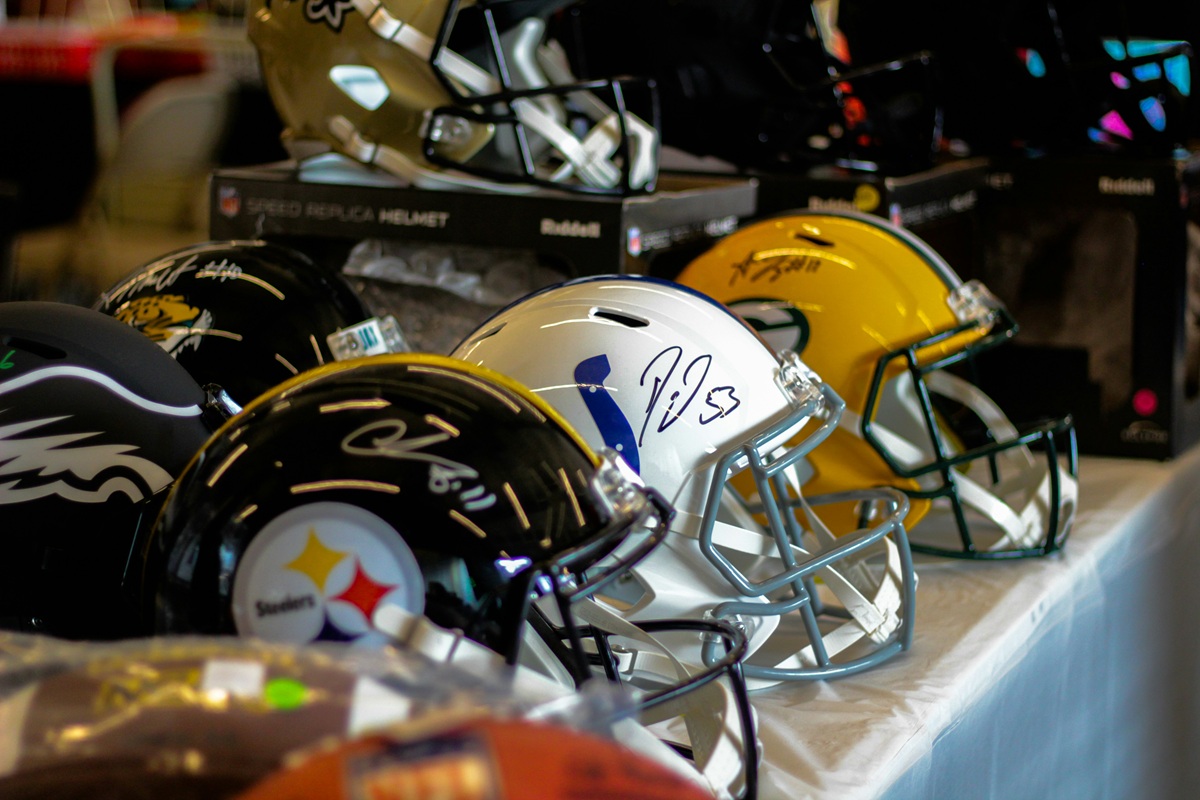
The Green Bay Packers are the definition of a “good not great” team in 2026. It’s a phrase that sticks, partly because it feels like nobody is wildly overachieving here, but also because nobody is failing catastrophically either. There’s talent scattered across the roster, moments that flash brilliance, and yet… the big picture still leaves you shrugging.
Start with the obvious. Micah Parsons is a force of nature, the kind of player who can turn a single snap into a headline. On the other side of the ball, Tucket Kraft—if he’s healthy—has enough skill and savvy to remind you why the Packers weren’t a dumpster fire in recent seasons. These are the kinds of guys you build around, the types who can carry a unit when the margins get tight.
And yet, the gaps remain glaring. The secondary isn’t what it needs to be. There are holes in coverage, angles defenders aren’t taking, and too many plays that feel like teaching moments in real time. Even the offensive line has its holes, the kind of subtle deficiencies that don’t always make highlight reels but absolutely make games harder than they should be.
Offensively, the mantra of “good not great” hits even harder. Jordan Love has talent, no question. Josh Jacobs is a workhorse in the backfield, capable of turning half-chances into steady gains. And the wide receiver room? There are pieces that can win one-on-one battles, make a defender look silly for a split second. But when you line them up together, the question isn’t whether they can produce—it’s whether they can dominate. There’s a difference, and the Packers haven’t crossed that line.
It’s the kind of roster that maxes out around Wild Card territory. You can see it year after year: solid performance, occasional flashes of playoff-worthy play, then a ceiling that seems immovable. The talent isn’t bad. It’s just… finely calibrated to mediocrity. The kind of team that makes the highlights occasionally but doesn’t leave you feeling like a contender is lurking.
Coaching can only stretch so far. Strategy helps, planning matters, and preparation can hide deficiencies for a week or two. But the Packers are at that stage where skill gaps start to matter more than schemes. The right play call can’t cover up a secondary that struggles against speed or a line that occasionally lets pressure get through.
And so we end up with Green Bay again: competent, dangerous in stretches, and frustratingly predictable as a mid-tier team. The kind of roster that will beat teams it should, struggle against teams it shouldn’t, and continue to hover in that familiar space just outside the truly elite.
There’s hope, sure. Parsons, Kraft, Love, Jacobs—they give the Packers identity. But until the team finds more true difference-makers, the Packers will remain a steady, slightly unsatisfying presence in the NFL: the ultimate “good not great” squad.