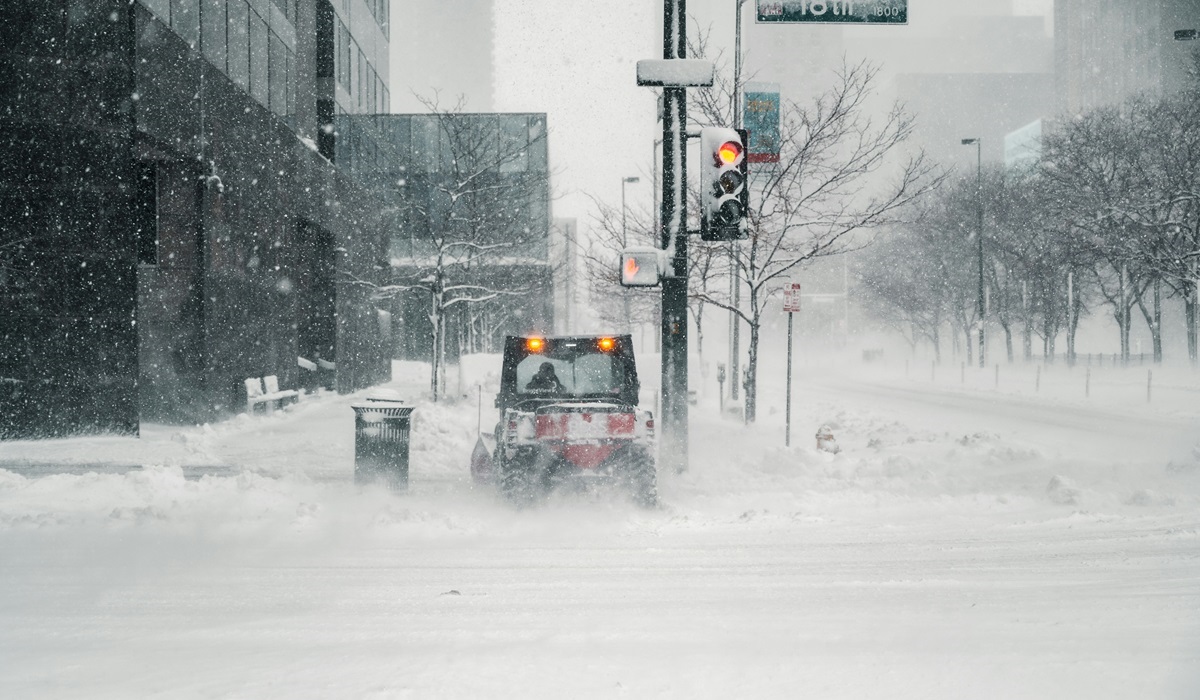
Winter is wasting no time making an entrance, sweeping across the country this weekend with a storm system that’s already triggering alerts from coast to coast. The National Weather Service says the setup could bring everything from light flurries to knee-deep snowdrifts as the system spreads out between Sunday, Dec. 7, and Monday, Dec. 8.
Forecasters warn that the storm isn’t a one-size-fits-all situation. Some regions are bracing for a quick dusting, while others are preparing for heavy snow, strong winds and the kind of conditions that make you rethink every plan you had for the next 24 hours. Travel could get messy, visibility may drop in a heartbeat, and those “maybe I’ll run out later” errands? Probably not happening.
Winter storm advisories are now in effect for multiple areas across the U.S., setting the stage for significant snowfall in several states — including a few that don’t typically make the winter-weather headlines this early in the season.
The National Weather Service has issued storm advisories for Alaska, Illinois, Michigan, South Carolina, Virginia and Wyoming as the system moves through, delivering everything from trace amounts in Chicago to more than a foot of snow in parts of Alaska.
Winter Storm Warnings in Multiple States
Alaska Takes Center Stage With the Heaviest Snowfall
If winter had a main character this weekend, it would be Alaska.
Communities such as Elfin Cove and Pelican are bracing for 8 to 12 inches of snow, while Kake and Port Alexander are preparing for 3 to 5 inches — plus winds topping 40 mph. Because if Alaska’s going to do winter, it’s going to do winter.
According to the National Weather Service, a notable pattern shift is sending colder temperatures and strong outflow winds sweeping southward. Combined with prolonged moisture, the setup is generating steady, accumulating snow across the Haines area.
“Periods of heavy to moderate snow continue over the Icy Strait Corridor due to the arctic boundary moving south of the Hoonah–Juneau area,” the agency said. Another round of heavier precipitation is expected to move through Sunday morning, giving residents little time to catch their breath between bursts.
The Lower 48 Is Getting in on the Action Too
While Alaska claims the biggest totals, the Lower 48 isn’t exactly sitting this one out.
Wyoming is expecting up to 10 inches of snow in the Teton and Gros Ventre mountains — great news for skiers, less thrilling for anyone who needs to commute. The terrain tends to amplify snowfall, and this system is sticking to that tradition.
Michigan’s Central Chippewa and Western Chippewa counties could see up to 6 inches throughout the day. With lake-effect snow in play, conditions may shift fast. One mile: calm. The next: suddenly visibility is zero and you’re white-knuckle gripping the wheel.
“During lake-effect snow, the weather can vary from bands of locally heavy snow to dry weather just a few miles away,” the NWS said. “Be prepared for rapid changes in weather, visibility, and road conditions.”
Illinois is also listed under the winter storm advisories, though Chicago is only expecting trace amounts — just enough to remind residents that windshield scrapers are, in fact, seasonal necessities.
And Yes — the South Is Snowing Too
Even the Southeast is joining the winter party. Portions of South Carolina and Virginia could see up to 5 inches of snow. It’s the kind of rare Southern snowfall that sends people rushing to grocery stores for bread, milk and sheer emotional support.
Local infrastructure in the region isn’t built for frequent winter events, meaning even a few inches can slow roads, knock out power and keep emergency crews busy through the weekend.
A Coast-to-Coast Reminder That Winter Has Clocked In
With advisories stretching across six states — from Alaska’s remote coastal communities to Southern regions more accustomed to mild Decembers — the storm serves as a loud, frosty reminder that winter is officially open for business.
Travelers should brace for delays, drivers should keep emergency kits close and everyone else should probably approach Monday morning with flexible expectations.